Education & Giving Back
The interior world matters
Education has become an important part of my work because my own relationship with learning was not always straightforward.
I began my education in Texas before moving to the United Kingdom. For much of my school life, I felt that I was somehow falling behind, without understanding why. My dyslexia and ADHD were only identified much later in my education. I gradually discovered that I understood the world differently: visually, practically, spatially and through making.
Art and performance became not simply subjects I loved, but ways of thinking.
Chapter I
Wonder Foundation
Educating Women, Strengthening Generations
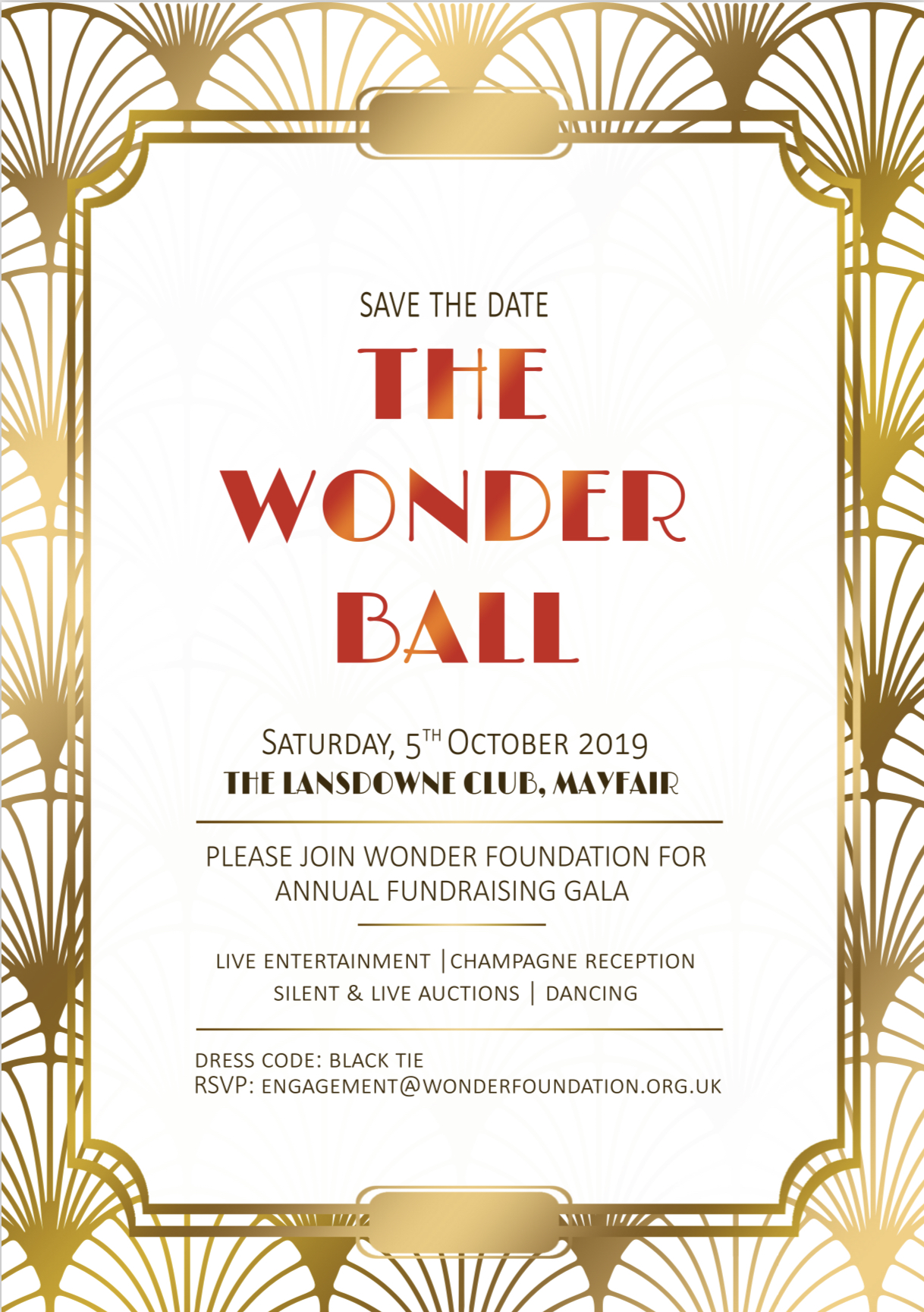
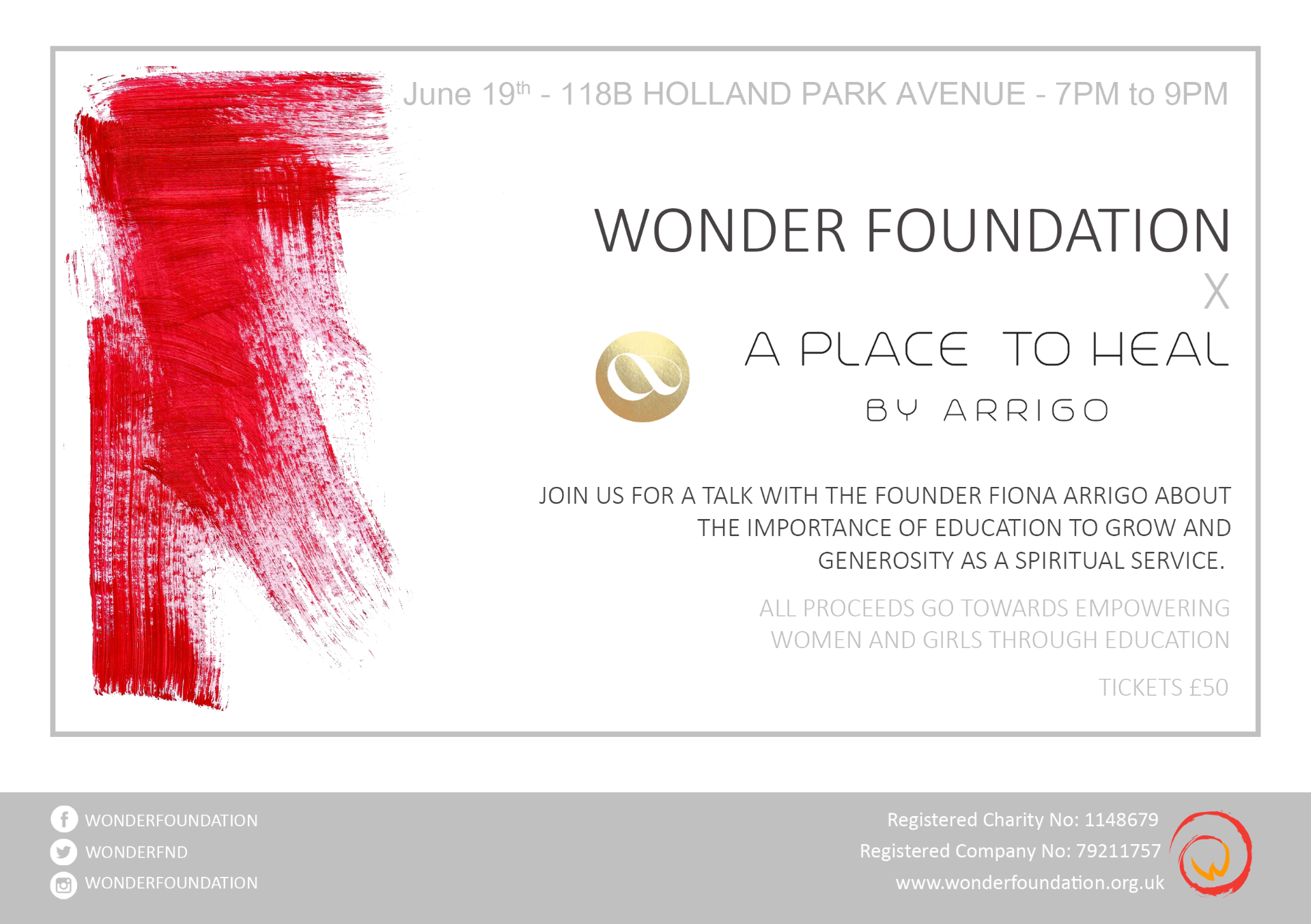
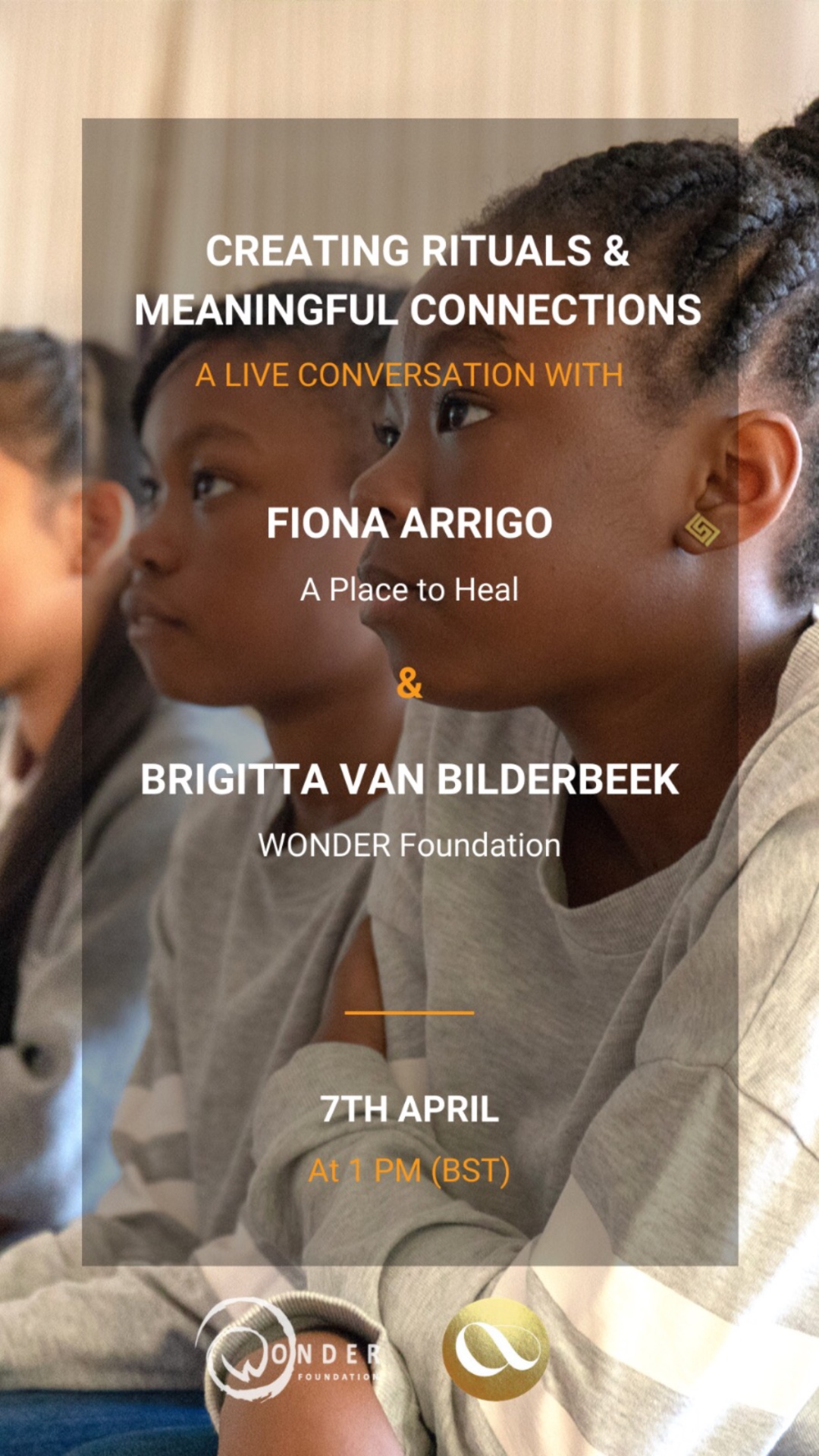
My belief in education as a means of creating lasting change has also shaped my involvement with the Wonder Foundation and its work supporting women and girls through education.
What particularly resonates with me is the generational power of educating women. When a woman receives an education, its effects rarely end with her. Knowledge, confidence and opportunity are carried into families and communities, helping to interrupt cycles of poverty from one generation to the next.
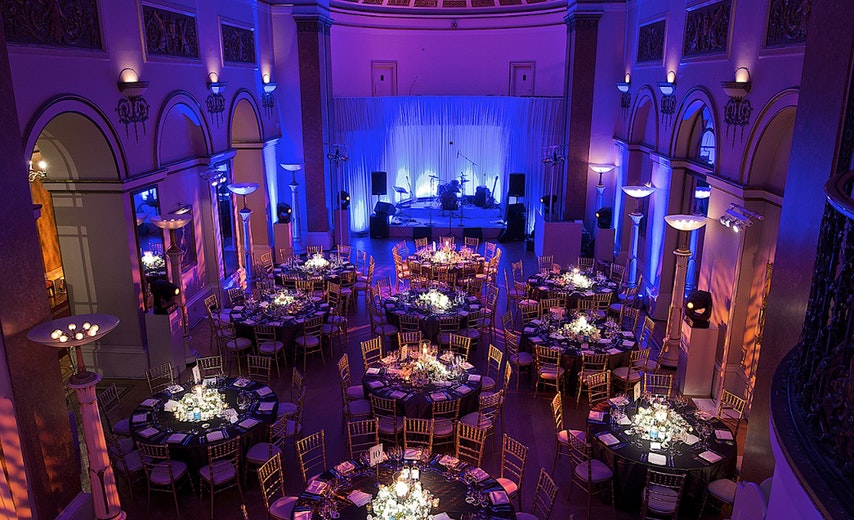
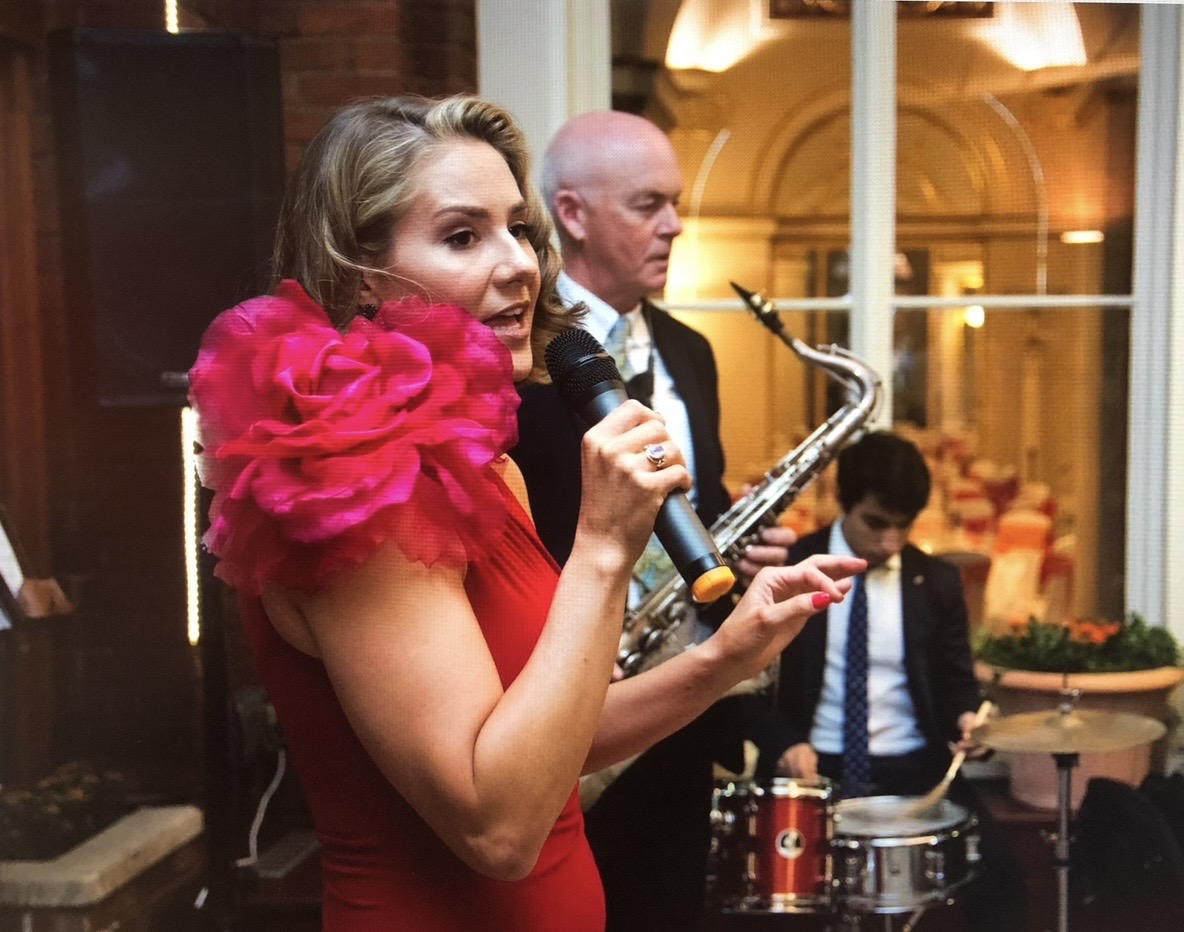
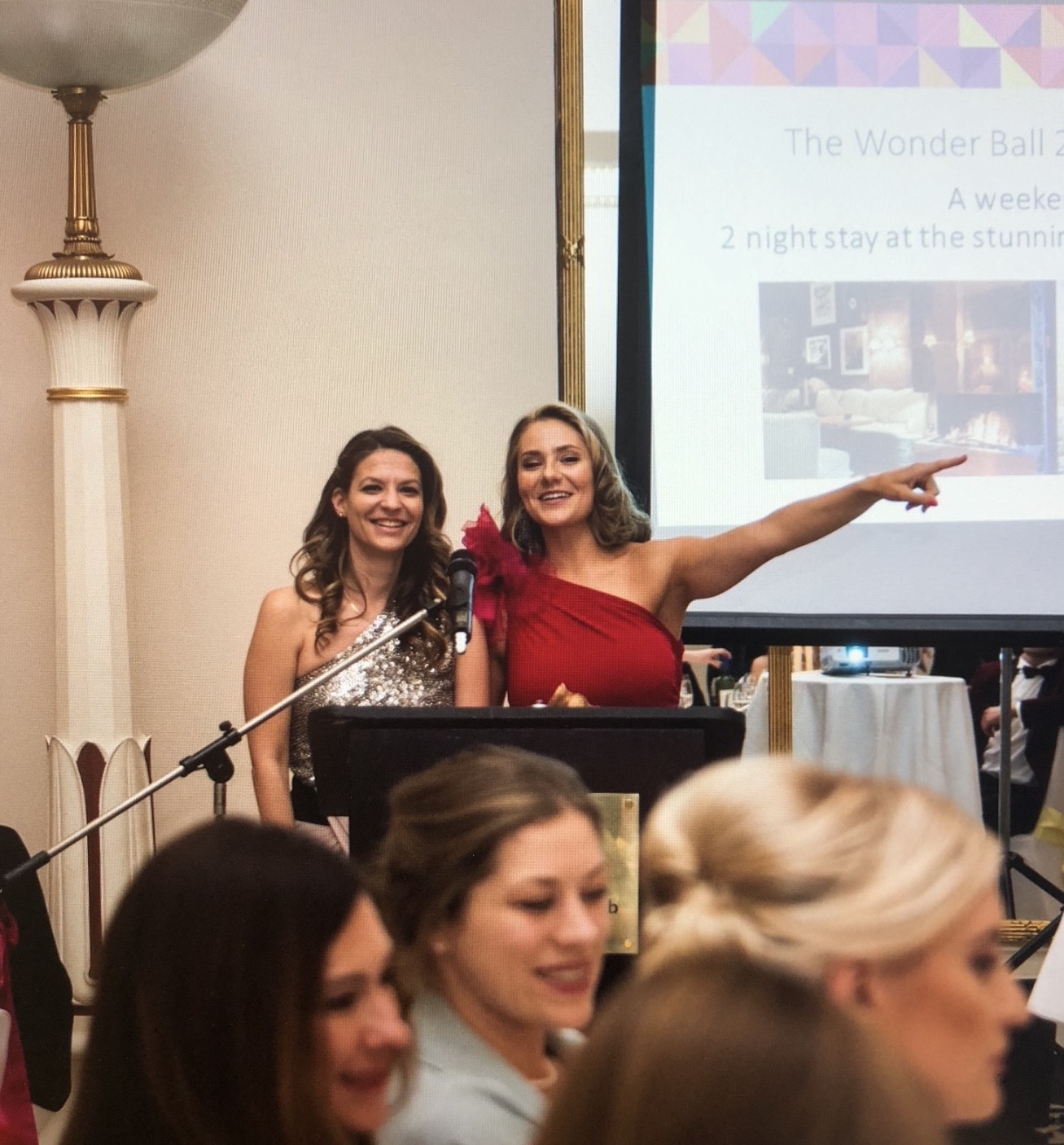
Over the years, I have supported Wonder through major fundraising initiatives, their annual ball, presenting and entertaining at events, mentoring, and bringing women together through workshops and conversations.
Chapter II
Discovering Montessori
Another Way of Learning
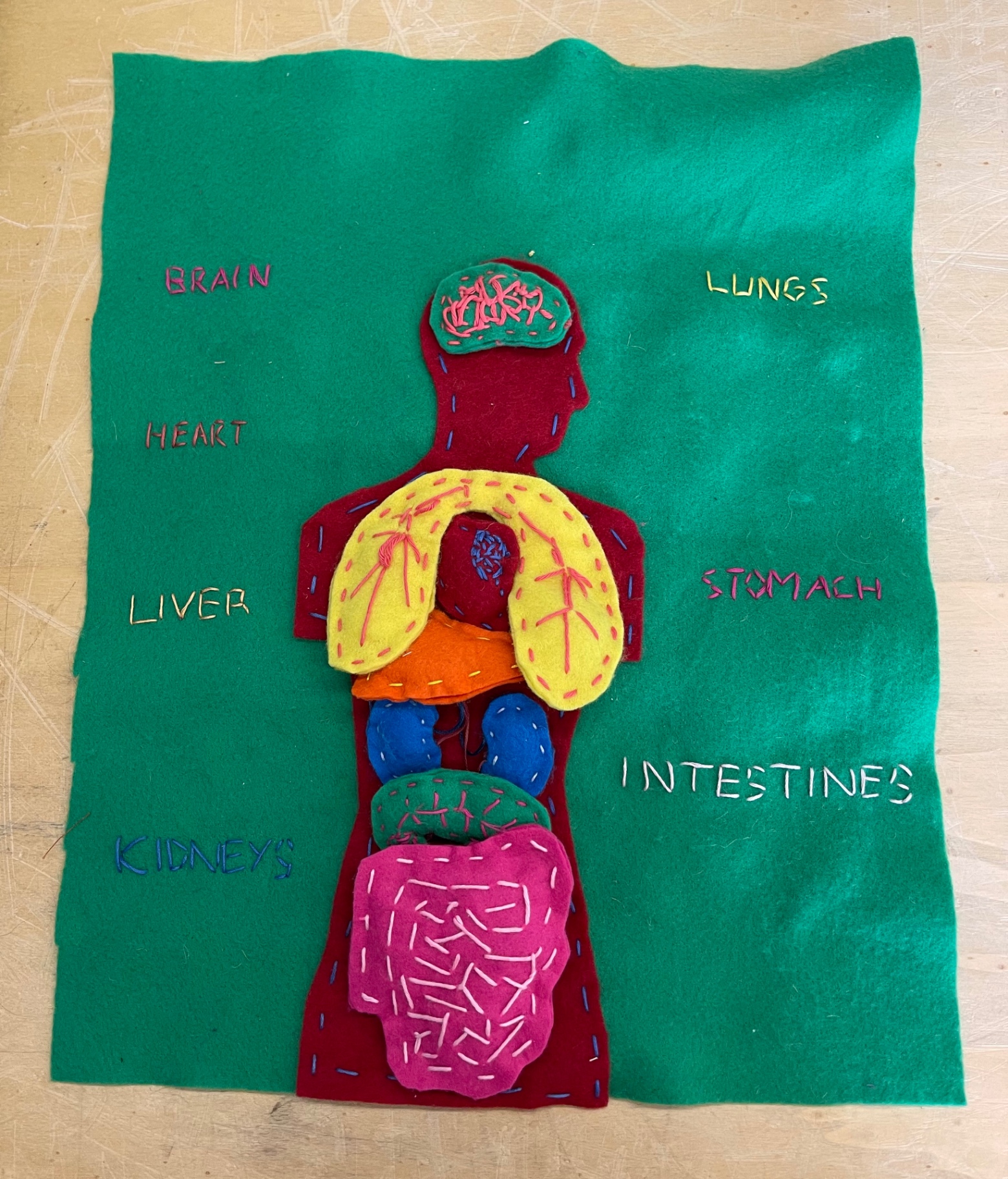
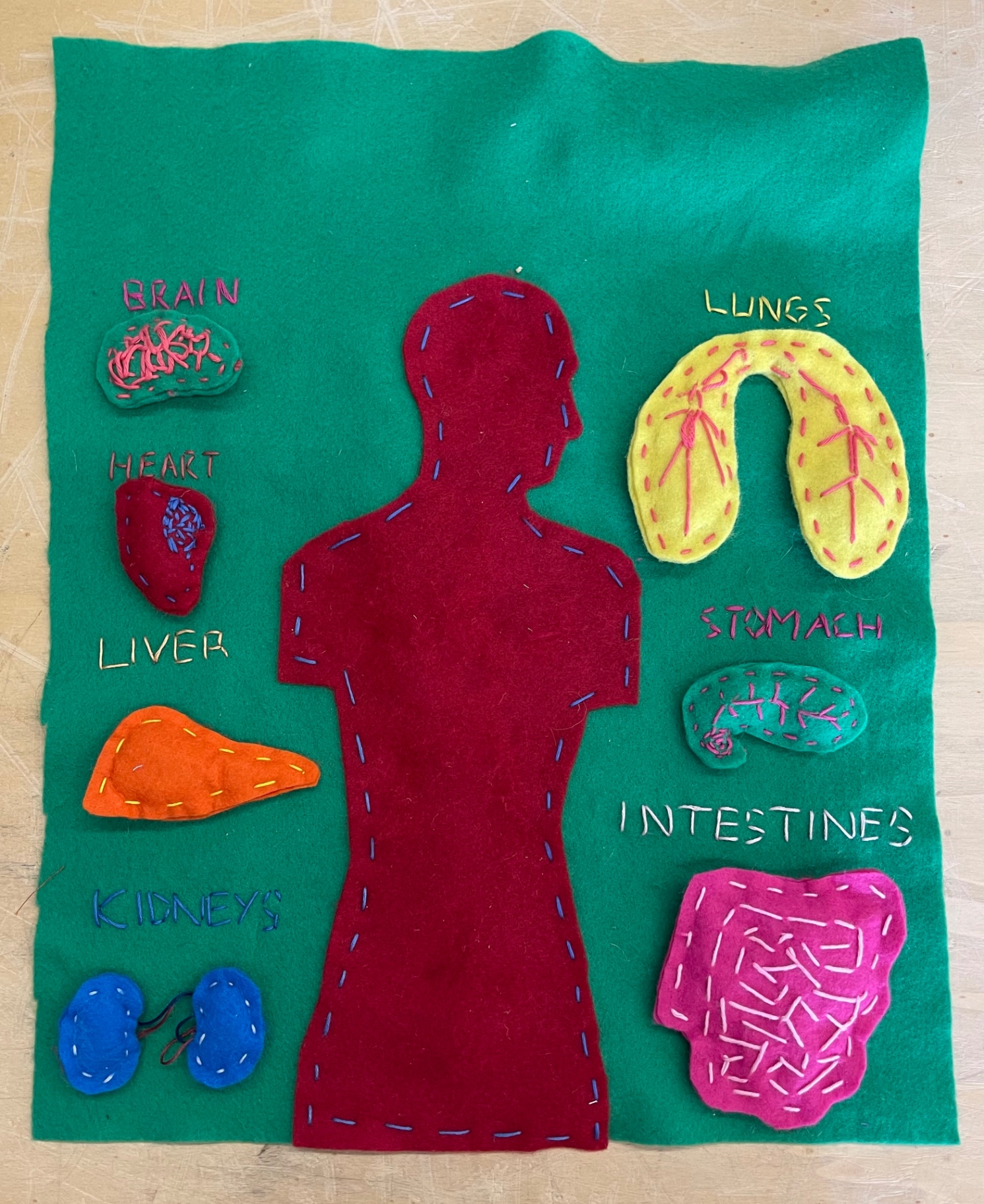
These were activities I designed for the children’s practical work module. The body work is from children aged six to nine; the lolly sticks are for the three to six year olds.
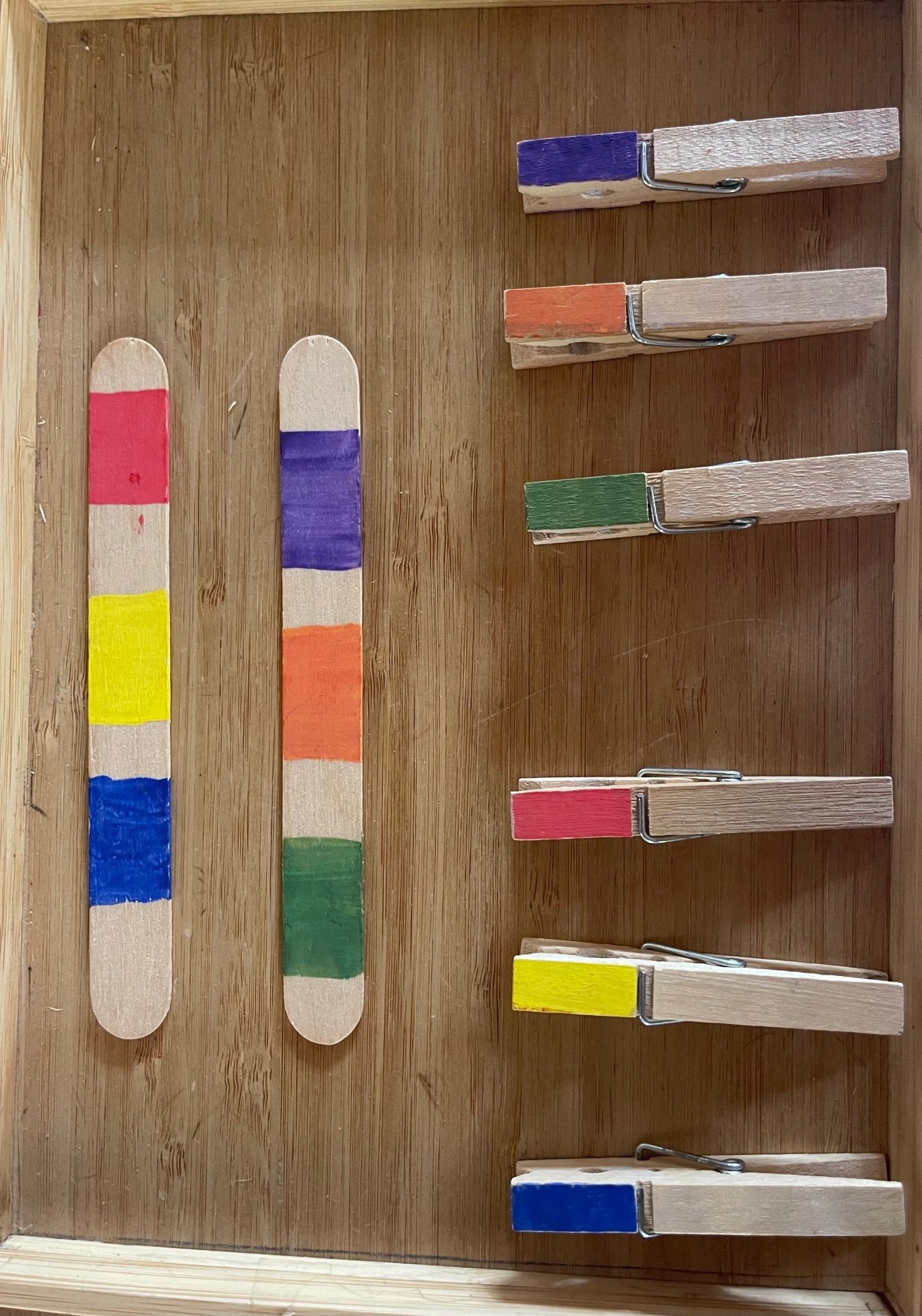
Later, I trained as a Montessori Assistant and taught art at Kairos Montessori.
Discovering Montessori was unexpectedly emotional for me.
Watching children learn to read, understand mathematics and explore complex ideas through tactile, visual and practical materials made me realise that education could have looked very different for a child like me.
“Discovering Montessori was not simply discovering a method of education. It was discovering that learning could have been different for me.”
Rather than asking every child to process information in exactly the same way, Montessori allowed me to see the intelligence that can reveal itself through curiosity, movement, independence, repetition, observation and making.
Teaching children also taught me an enormous amount. It reinforced something I had instinctively understood through becoming an artist: there is no single legitimate way of seeing or understanding the world.
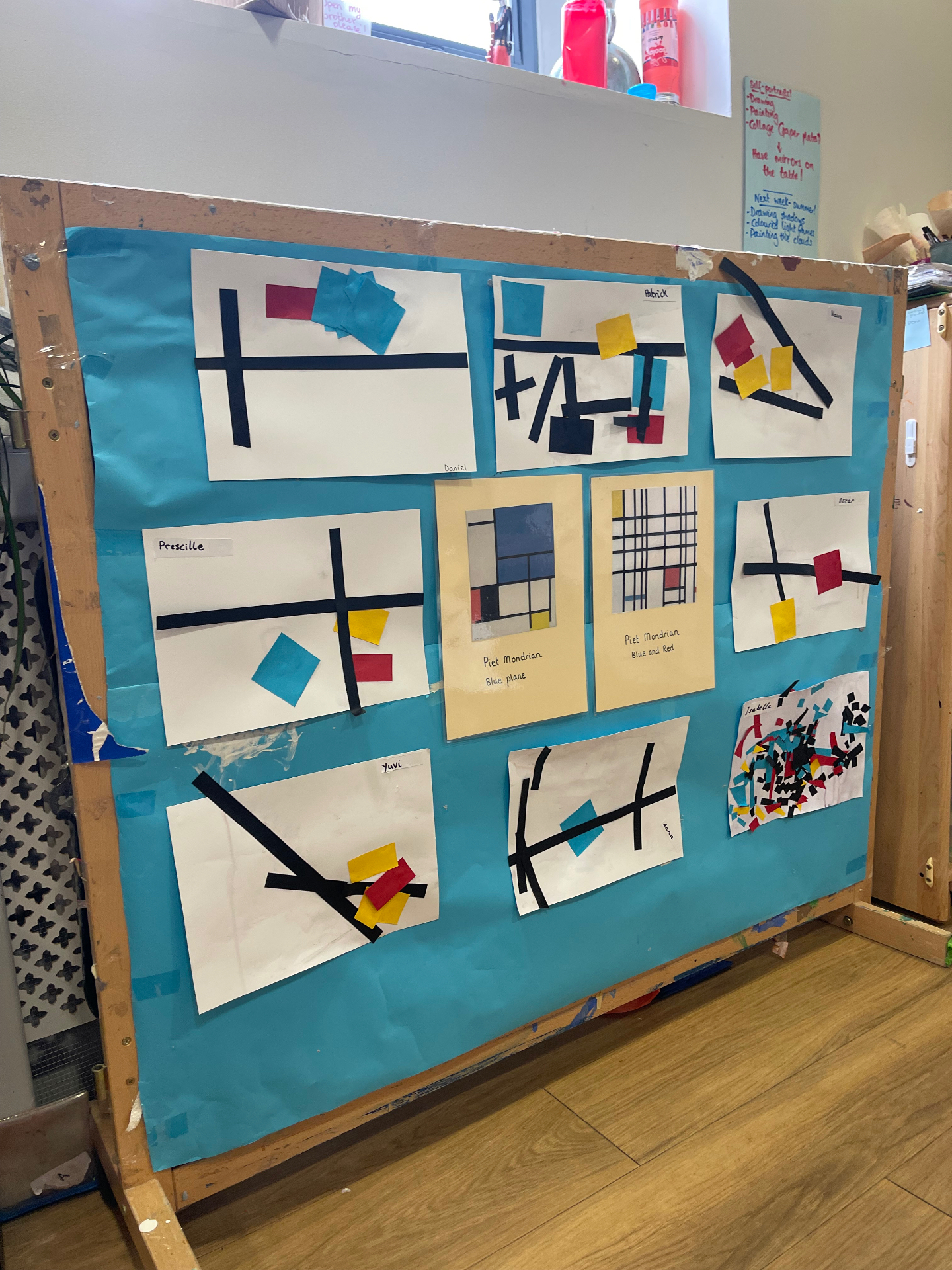
The programme
Inner
Architecture
These experiences eventually led me to develop Inner Architecture, a confidence and creativity programme for children and teenagers centred on identity, art, memory and the discovery of individual talent.
Young people are growing up in an unprecedented culture of comparison.
At precisely the age when they are beginning to ask Who am I?, social media presents them with an endless stream of other people’s appearances, achievements, lifestyles and identities.
I believe we have to help children look in the opposite direction.
Inwards.
Inner Architecture begins by returning to the child’s own story.
- What did you draw when you were little?
- What did you build?
- What did you pretend to be?
- What fascinated you?
- What stories did you invent?
- What did you dream of becoming?
- What were you proud of before you began comparing yourself with everyone else?
Through drawing, painting, conversation, visual research and art history, we begin to identify the recurring themes, interests, symbols and abilities that have been present throughout the student’s life.
We then look outward again, at artists, writers, designers, musicians and other creative figures, and explore how their childhoods, experiences and obsessions eventually became part of their work.
The purpose is to show a young person that:
Their story is worthy of the same attention.
Case study
A Student’s Story
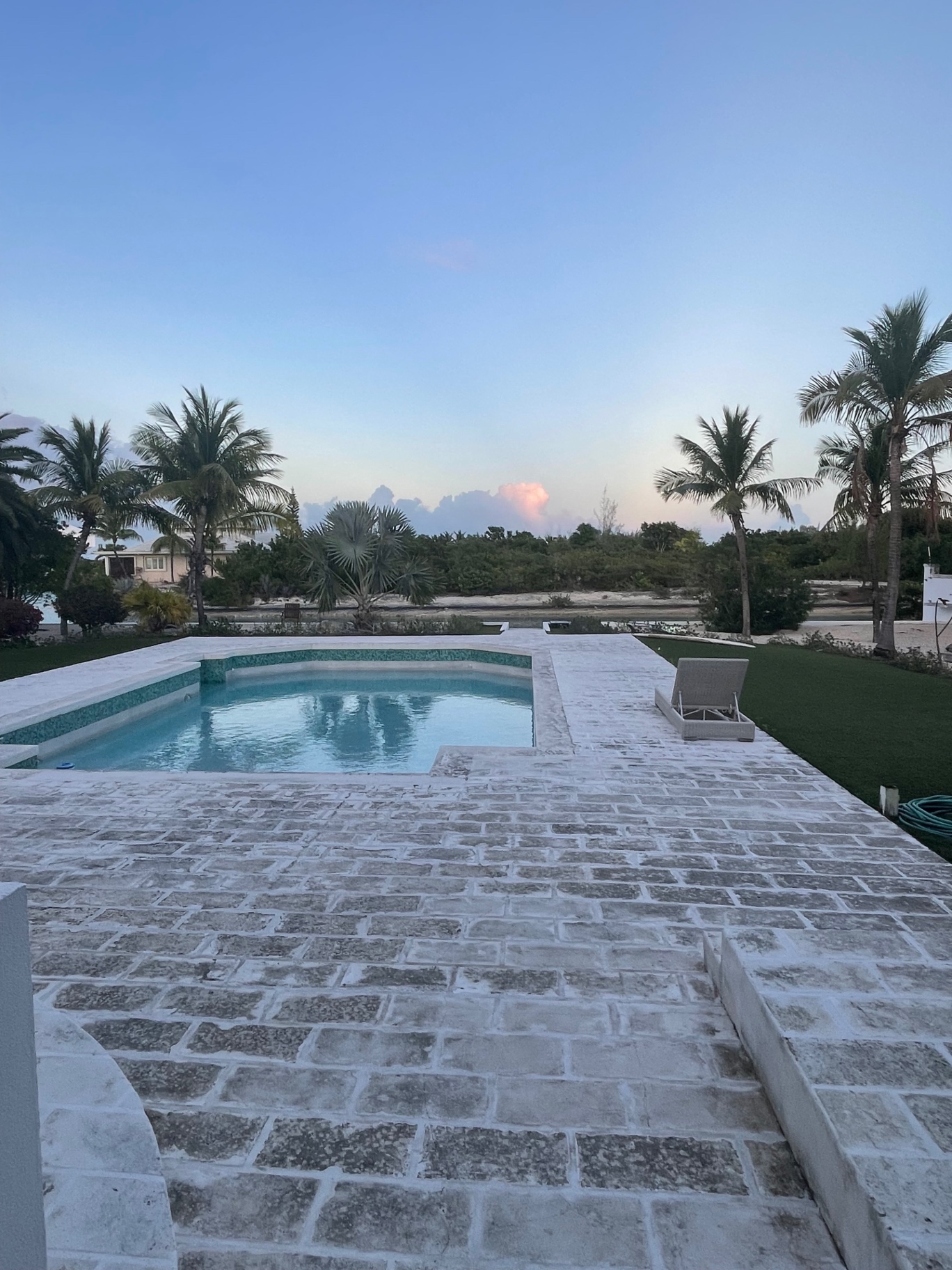
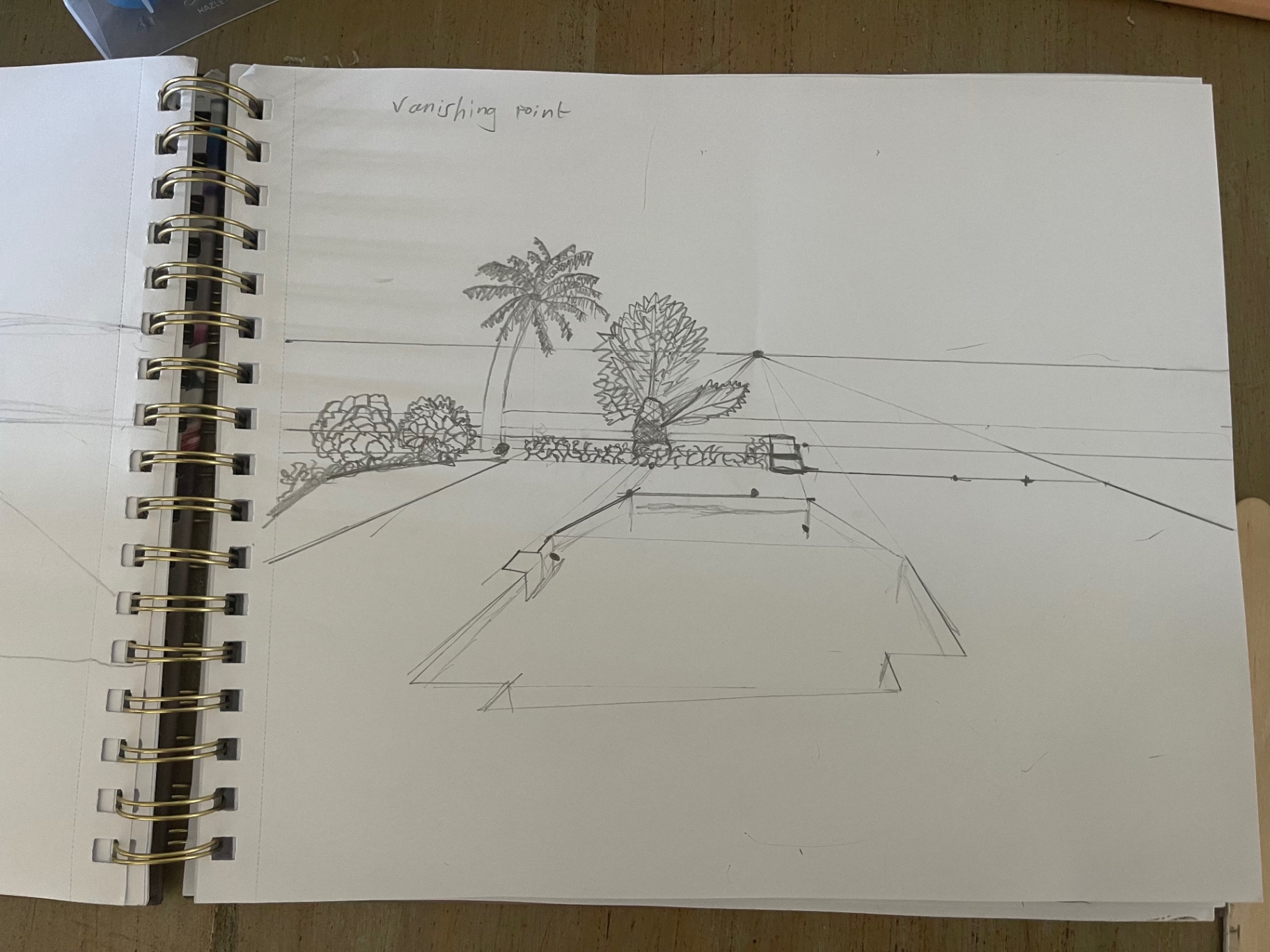
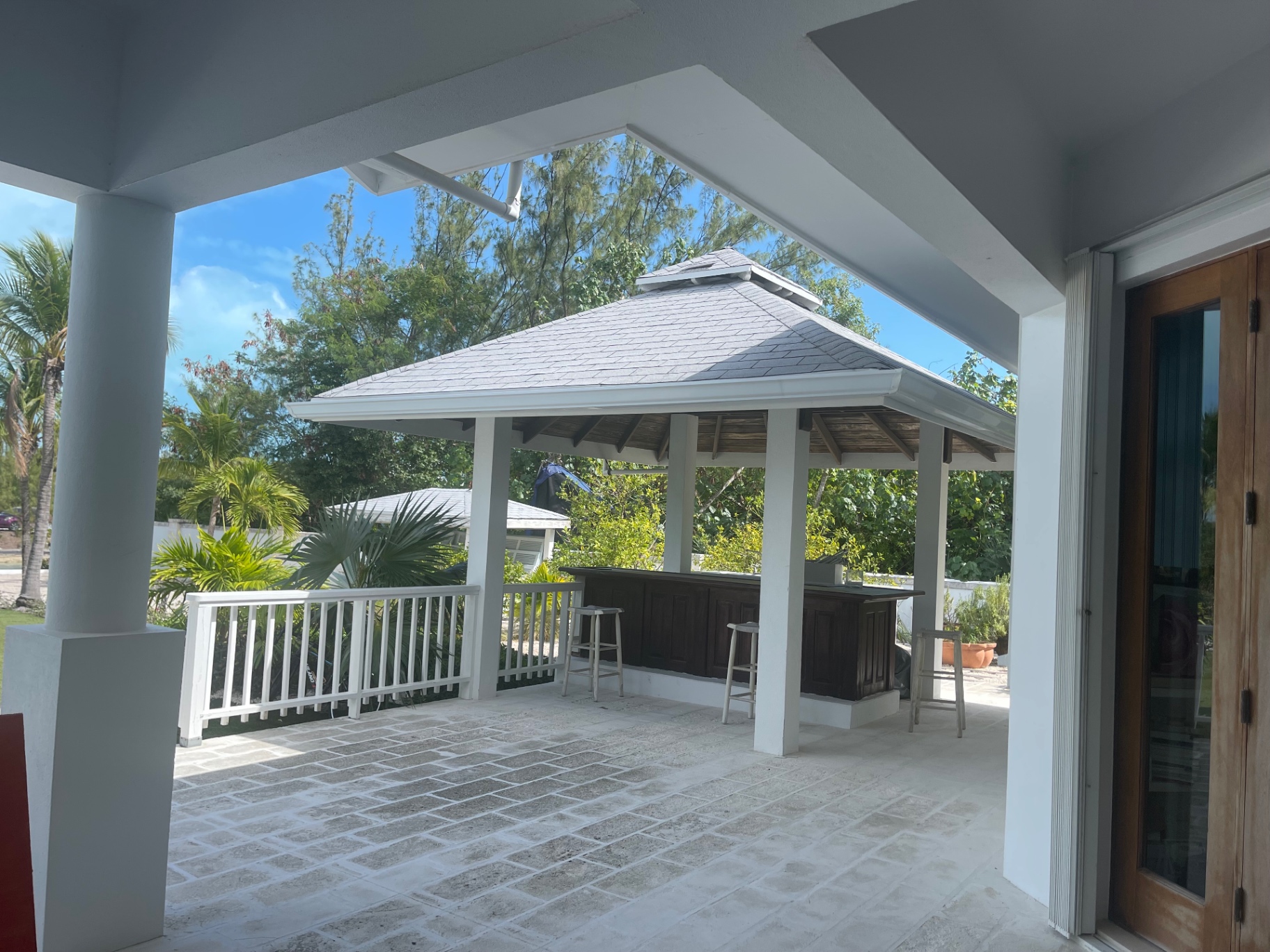
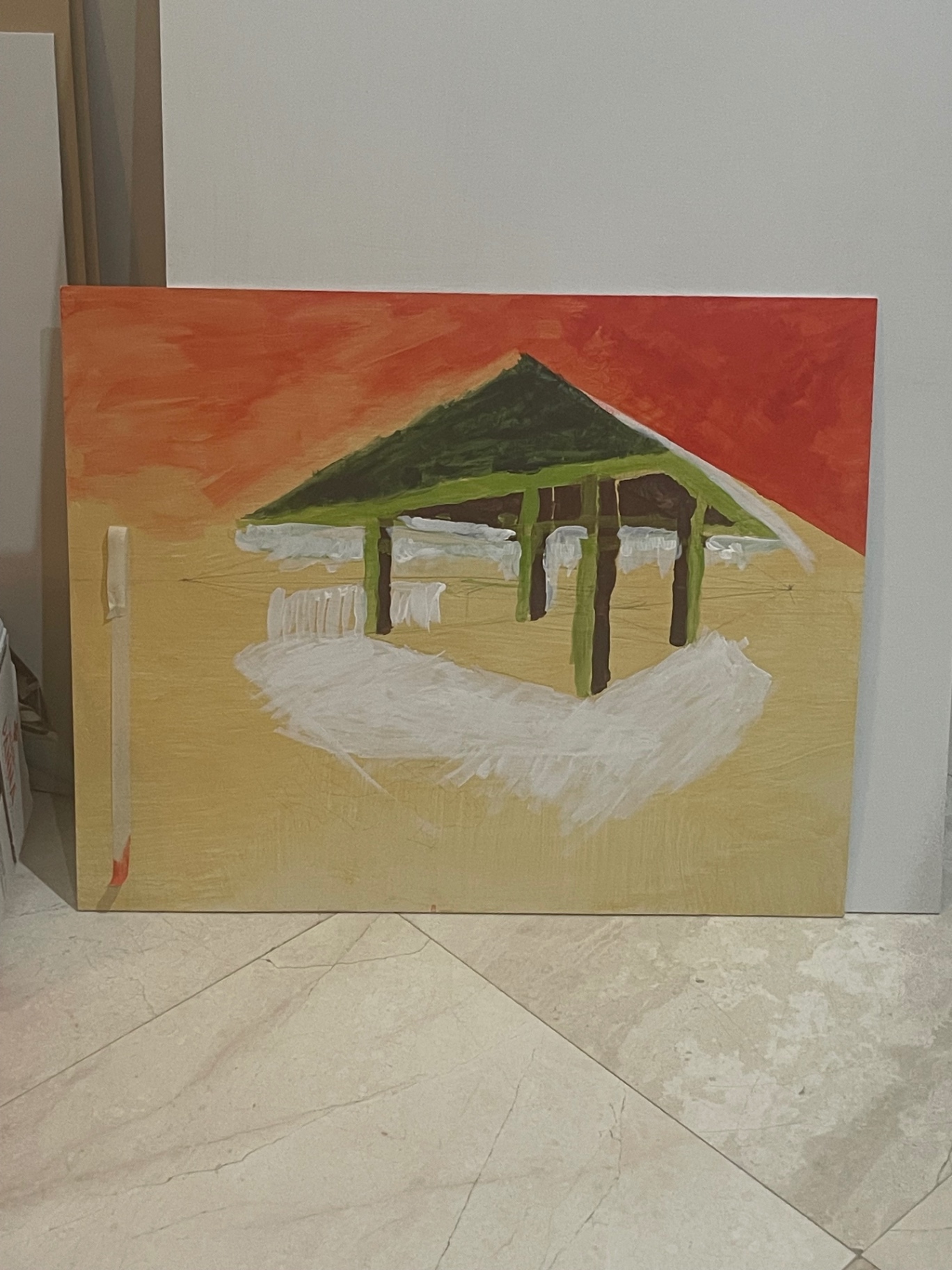
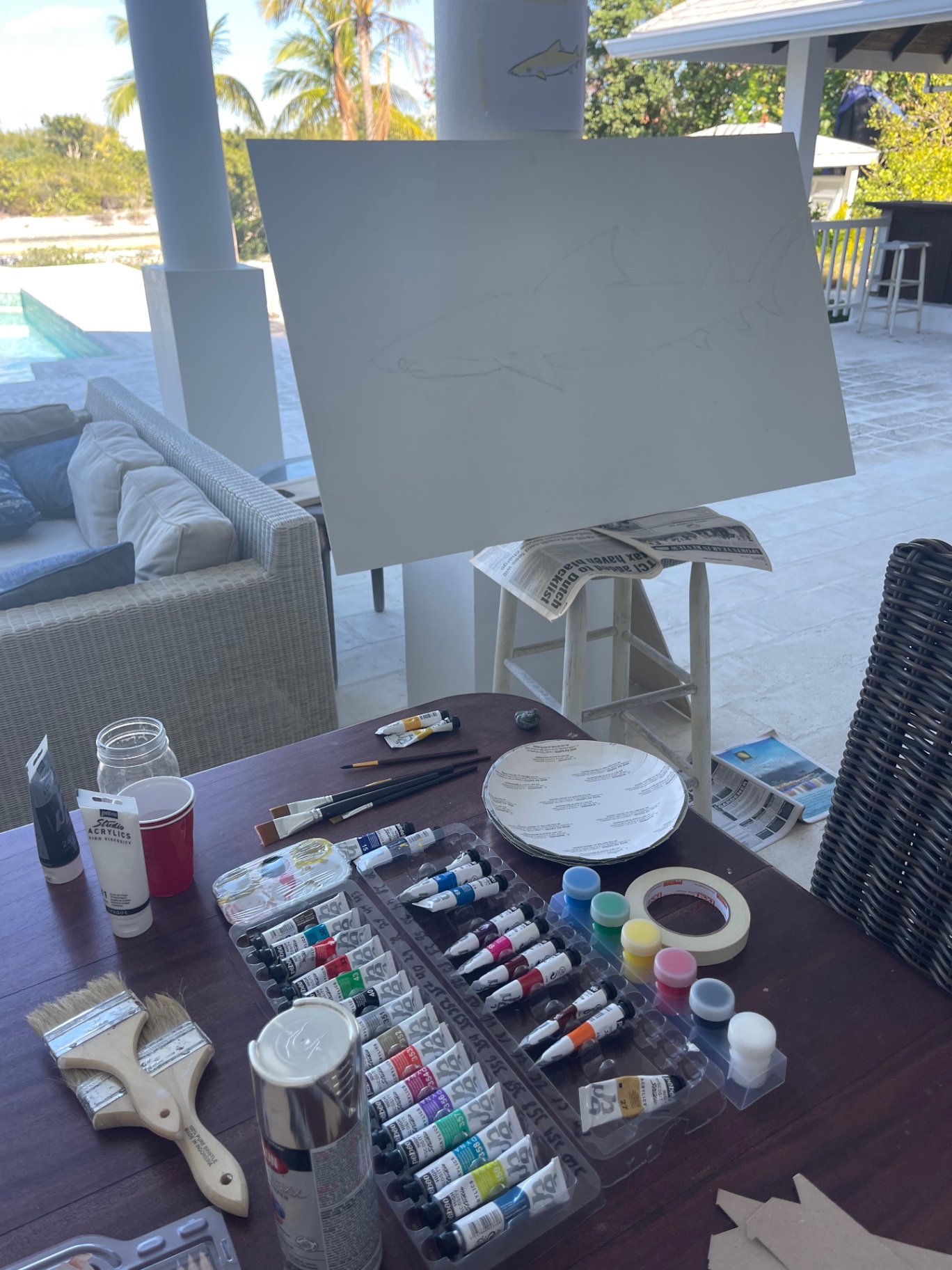
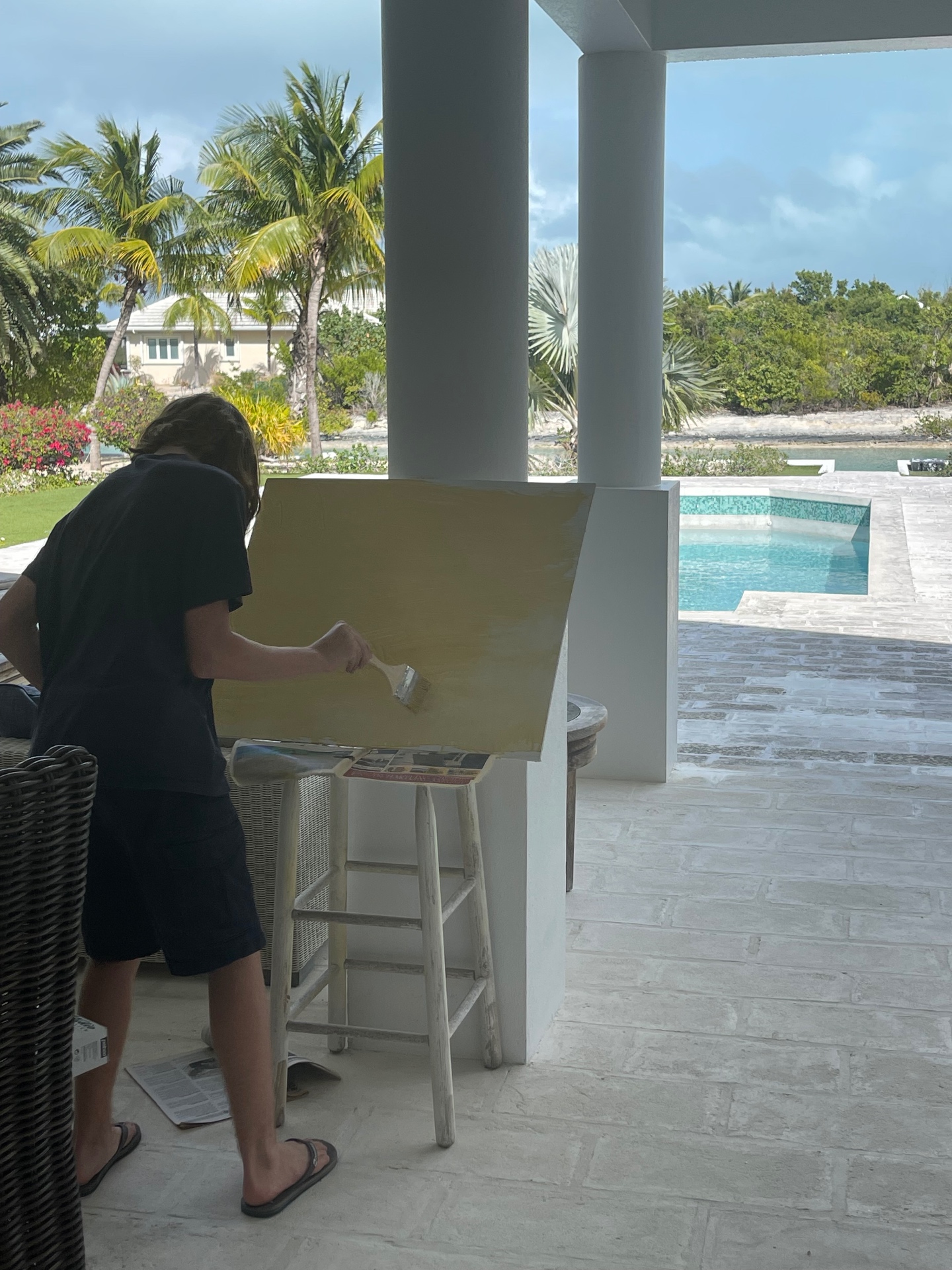
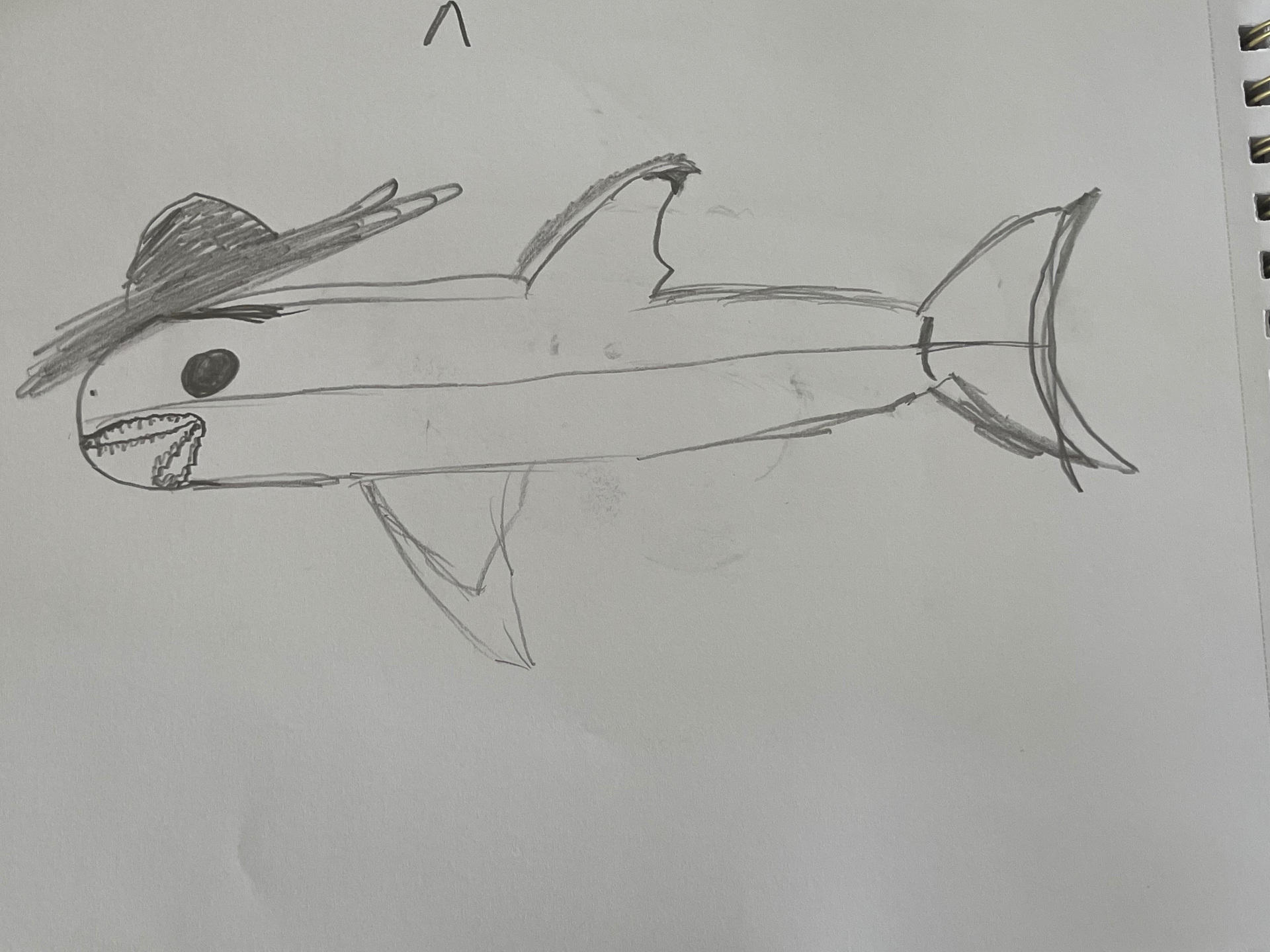
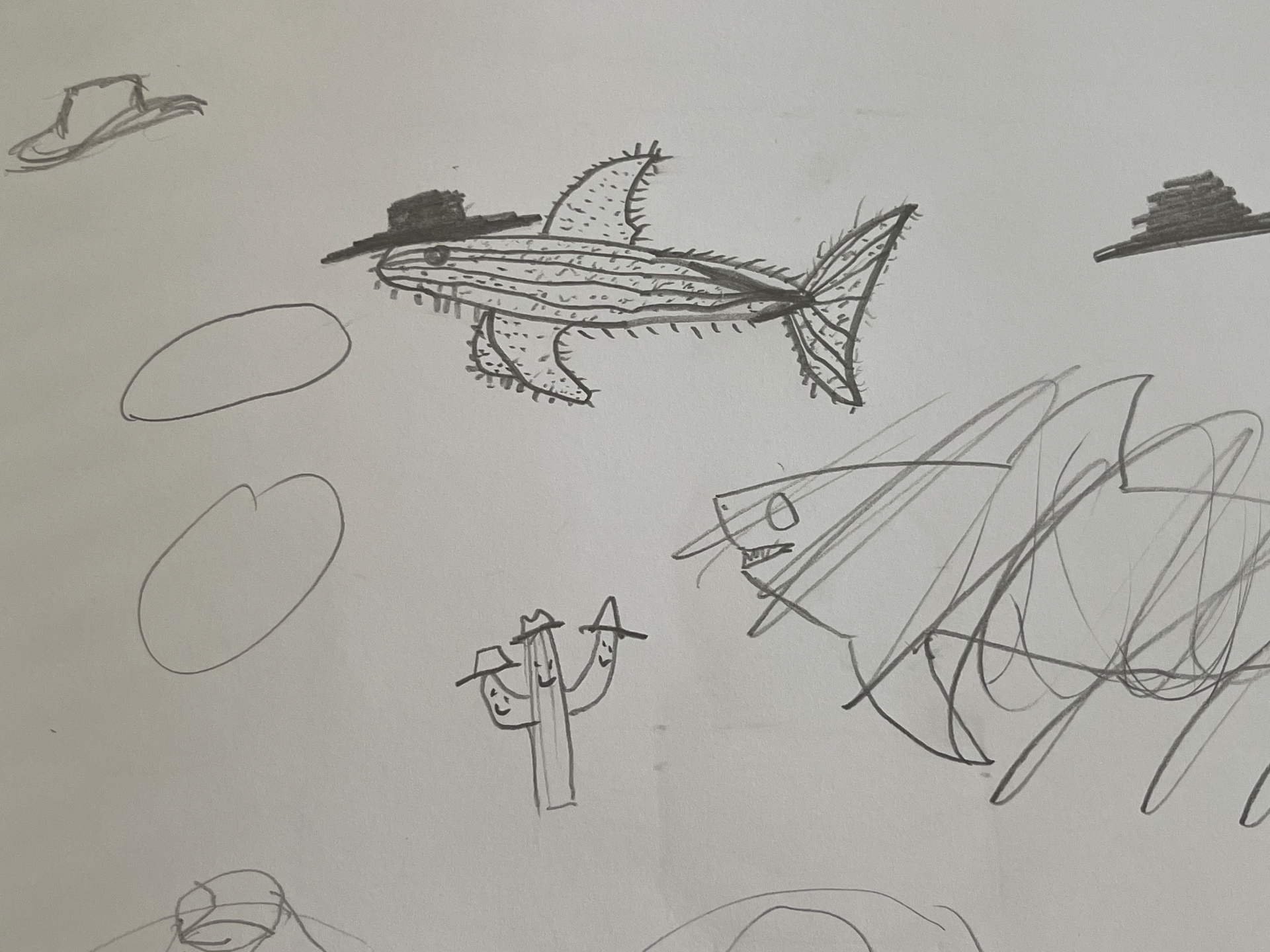
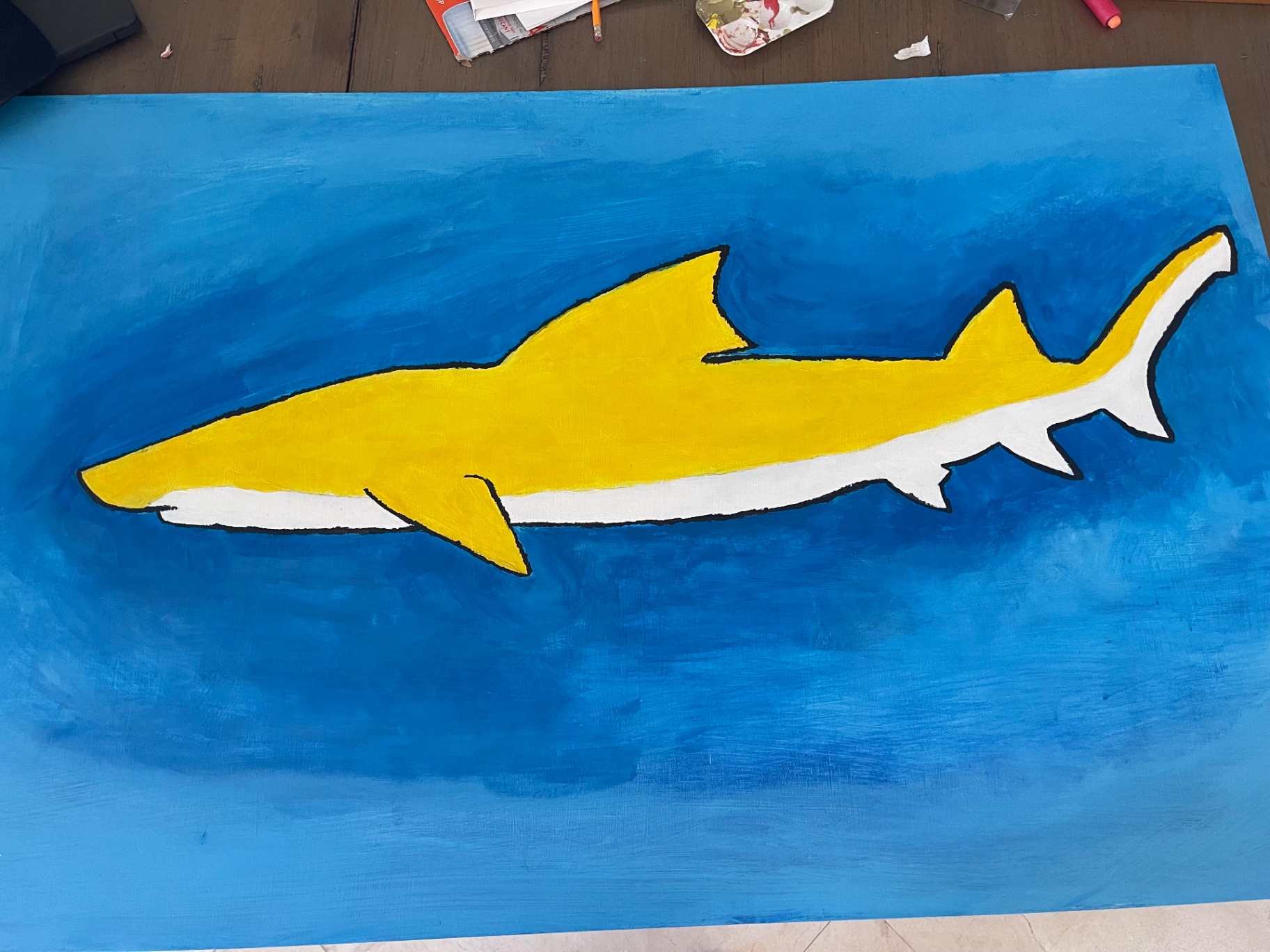
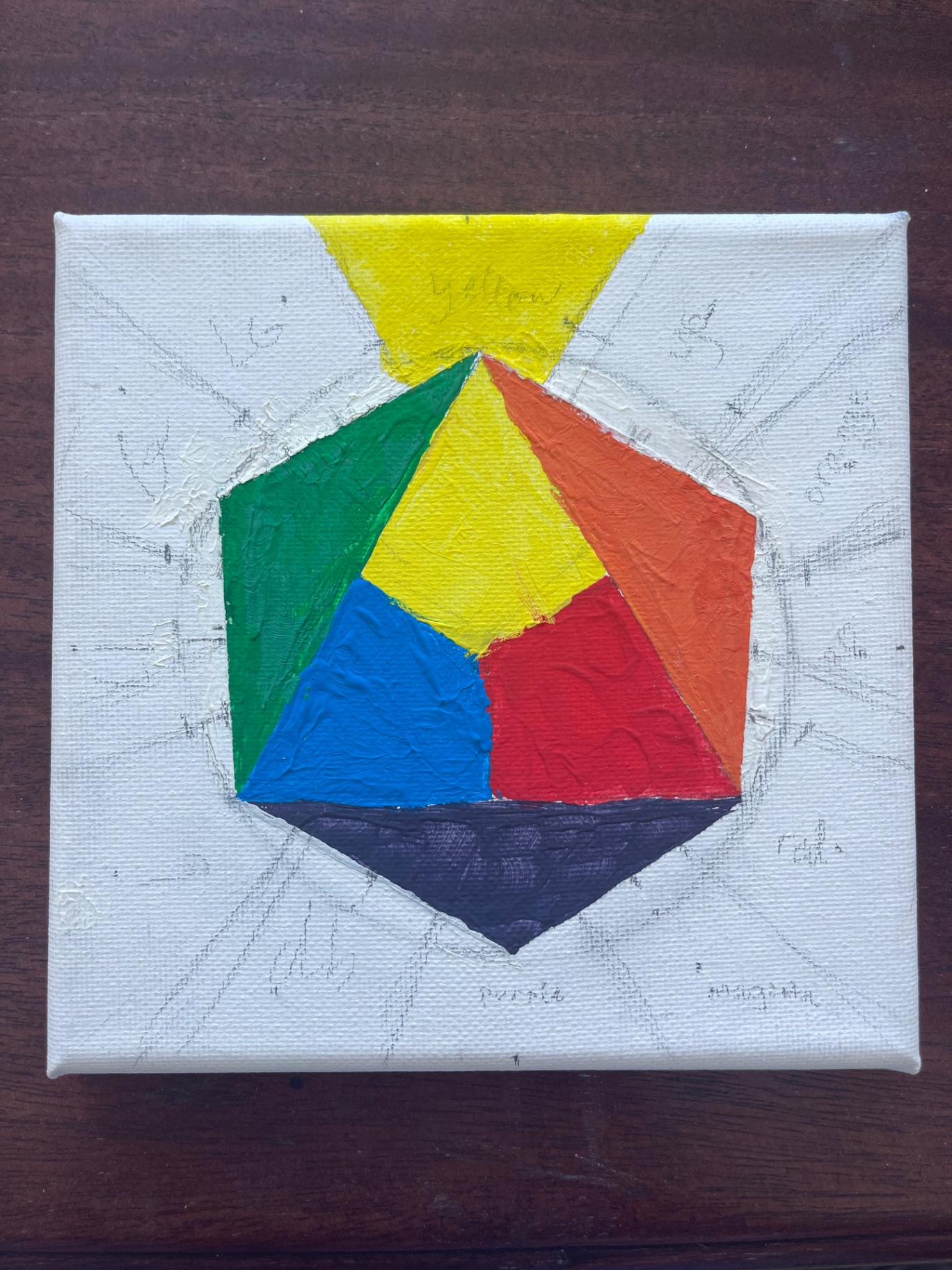
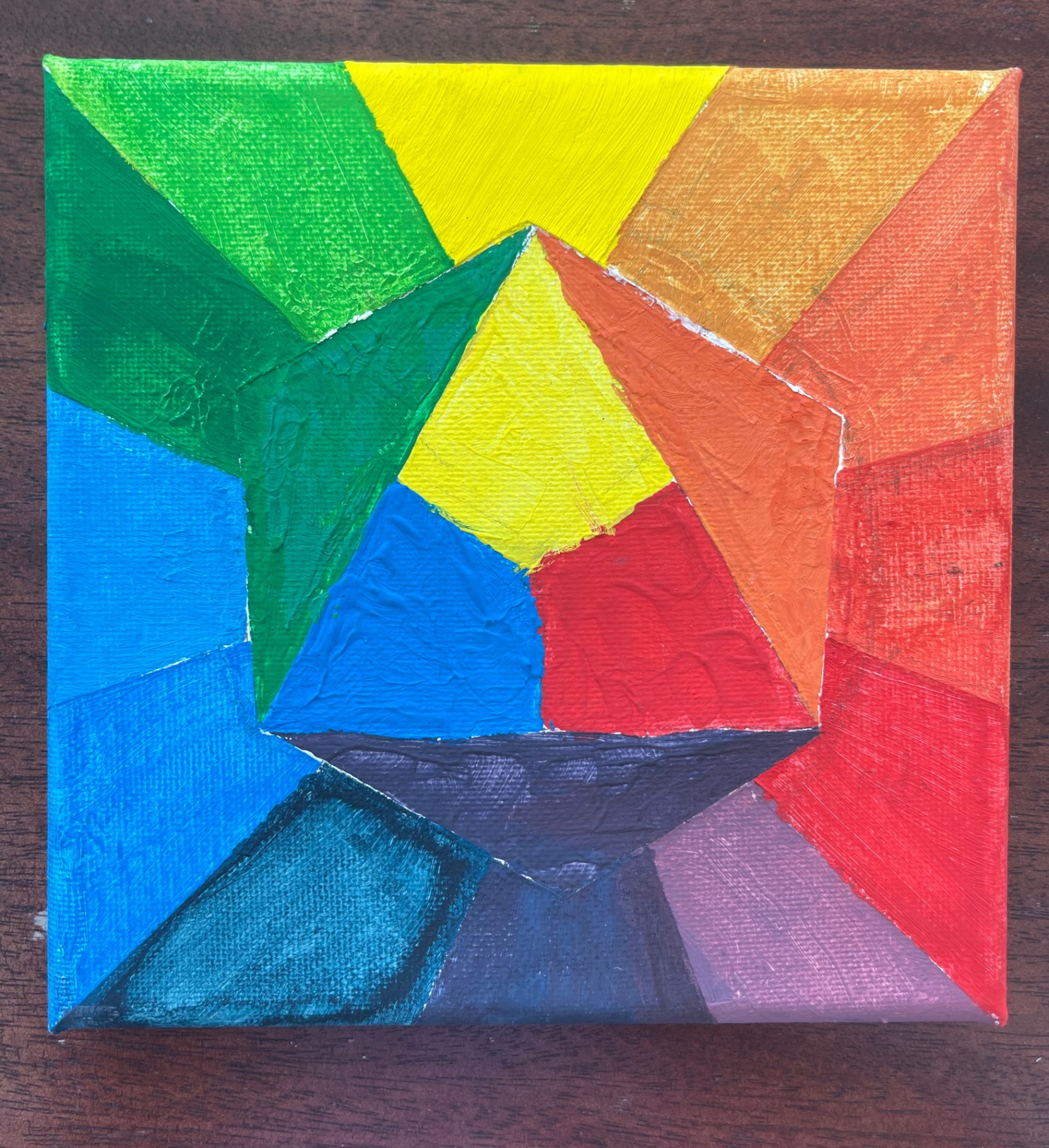
One of my Inner Architecture students was a twelve-year-old homeschooled boy whom I taught during a summer in the Turks and Caicos Islands.
We worked together through drawing, painting, childhood memories, personal interests and art history.
Rather than simply teaching him how to make a particular kind of picture, I wanted him to begin recognising the visual language that was already his.
When we study a famous artist, we take their childhood seriously. We examine where they grew up, what they saw, what frightened them, what fascinated them and what they repeatedly returned to.
Why shouldn’t we teach a child to look at his or her own life with that same curiosity?
That recognition can be enormously confidence-building.
Chapter IV
The Parable of the Talents
There is also a spiritual idea underlying Inner Architecture.
In the biblical Parable of the Talents, different gifts are entrusted to different people. The responsibility is not to possess somebody else’s gift, but to recognise and cultivate what has been entrusted to us rather than burying it.
I believe childhood can contain some of our earliest clues.
The things a child repeatedly loves, makes, imagines and dreams about deserve to be taken seriously. They may change enormously as that child grows, but underneath them can be the beginnings of vocation, character and talent.
“What has been entrusted to you, and what are you going to do with it?”
For me, protecting childhood does not mean protecting children from growing up. It means giving them enough confidence in their own identity that they do not have to surrender it in order to belong.
Currently accepting a limited number of students
Inner Architecture, Private Study
I am currently accepting a limited number of students for private Inner Architecture sessions at my studio in Chelsea, London.
Sessions combine art-making, art history, conversation and individually developed creative projects, with particular emphasis on confidence, visual thinking, identity and discovering a student’s individual interests and strengths.
Sessions can be arranged up to twice weekly, with each session lasting approximately one hour.
I am DBS checked and have professional experience working with children, including Montessori training and teaching art within a Montessori environment.
Parents or guardians interested in discussing whether Inner Architecture may be suitable for their child are warmly invited to get in touch.